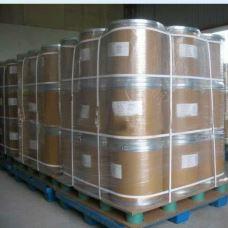
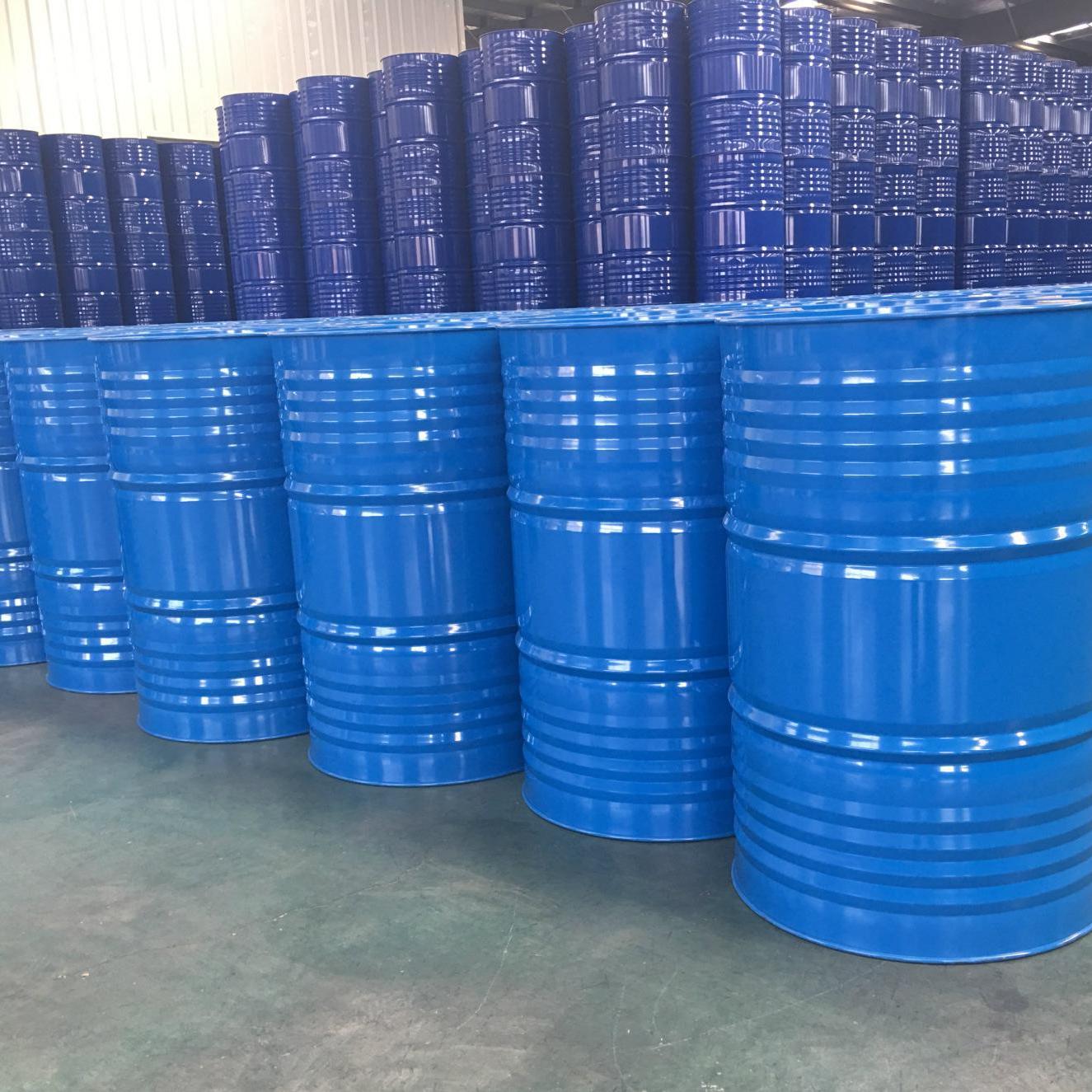
Certainly! Below is an 800-word news article combining information about 2-Propanol (Isopropanol) with a generic company introduction placeholder `{}`, which you can replace with the actual company details.---**The Growing Importance of 2-Propanol (Isopropanol) in Industry and Healthcare**2-Propanol, commonly known as isopropanol or isopropyl alcohol, has emerged as a critical chemical across multiple sectors, from industrial manufacturing to healthcare applications. As an essential solvent and disinfectant, this compound plays a pivotal role in maintaining hygiene standards and enabling various production processes worldwide.### What is 2-Propanol (Isopropanol)?2-Propanol is a clear, colorless, and flammable liquid with a strong odor. Chemically categorized as a secondary alcohol, it is widely recognized for its solvent properties and antimicrobial effects. Unlike primary alcohols such as ethanol, 2-propanol’s molecular structure lends itself to unique applications, particularly in cleaning and sterilizing products.Its formula, C3H8O, consists of three carbon atoms and an alcohol functional group bonded to the middle carbon atom, differentiating it from other alcohols such as ethanol. This structural characteristic gives 2-propanol enhanced lipid solubility, enabling it to effectively permeate cell membranes and denature proteins, making it a useful antiseptic agent.### Industrial Uses of 2-PropanolThe industrial sector relies heavily on 2-propanol as a solvent in the manufacture of cosmetics, pharmaceuticals, and coatings. It serves as an excellent solvent for resins, oils, and gums, facilitating processes such as paint thinning, ink production, and adhesive formulation.In electronics manufacturing, isopropanol is used to clean circuit boards due to its rapid evaporation and residue-free properties. This ensures that electronic components remain free from dust, oils, and other contaminants that could interfere with their functionality.Moreover, it is a key ingredient in the formulation of hand sanitizers and disinfectants. The COVID-19 pandemic significantly increased global demand for isopropanol-based products, prompting manufacturers to scale up production and streamline supply chains to meet urgent market needs.### Healthcare ApplicationsBeyond industrial settings, 2-propanol’s antiseptic properties make it indispensable in healthcare facilities. It is commonly employed for skin disinfection before injections, surgical procedures, and blood sampling. Its rapid evaporation rate ensures the disinfected skin area dries quickly, reducing the risk of infections.Hospital environments utilize isopropanol solutions to sterilize medical instruments and surfaces, contributing to the control of healthcare-associated infections (HAIs). These infections pose serious risks to patients, especially those with compromised immune systems, highlighting the critical role of effective antiseptics.### Environmental and Safety ConsiderationsDespite its widespread use, 2-propanol must be handled with care due to its flammability and potential health effects upon prolonged exposure. Proper storage protocols, adequate ventilation, and use of personal protective equipment (PPE) are essential to minimize risks.From an environmental perspective, isopropanol is biodegradable and exhibits low toxicity to aquatic life when released in dilute concentrations. However, spills and improper disposal can lead to localized environmental damage, reinforcing the need for responsible industrial practices.### Company Introduction: {}As a leader in chemical manufacturing and supply, {} specializes in producing high-quality 2-propanol that meets stringent industry standards. With state-of-the-art facilities and a commitment to sustainable practices, {} ensures consistent delivery of this vital chemical to markets worldwide.The company’s robust quality control system guarantees that every batch of 2-propanol achieves optimal purity, making it suitable for sensitive applications such as pharmaceuticals and personal care products. {} also invests in research and development to enhance production efficiency and reduce environmental impact.Customers across healthcare, electronics, coatings, and consumer goods sectors rely on {} for timely supply and expert technical support. The company’s global distribution network enables rapid response to fluctuating market demands, especially during periods of increased need like public health crises.### Meeting Market Demand and Future ProspectsThe demand for 2-propanol is expected to grow steadily, driven by expanding healthcare awareness and continuous industrial innovation. As more countries adopt stringent hygiene protocols and environmental regulations, isopropanol’s role as a versatile and eco-friendly solvent will become increasingly pronounced.{} is proactively preparing to meet future challenges by scaling up its production capacity and exploring alternative synthesis routes that lower carbon emissions. The company is also collaborating with partners to develop surface coatings and disinfectants that leverage the unique properties of 2-propanol.In addition, educational initiatives aim to inform end-users about the safe handling and proper use of isopropanol-based products, emphasizing both efficacy and safety. This holistic approach reduces risks while maximizing the benefits of this indispensable chemical.### Conclusion2-Propanol (isopropanol) stands as a cornerstone chemical in modern industry and healthcare due to its multifaceted applications and effectiveness as a disinfectant and solvent. Companies like {} play a crucial role in ensuring the reliable supply and innovative development of this compound, supporting global efforts toward public health and technological advancement.As the world continues to prioritize hygiene, safety, and sustainability, 2-propanol will remain integral to these objectives, fostering safer environments and more efficient industrial processes for years to come.---*Note:* Please replace `{}` with the actual company introduction details before publication.
Read More